加盟电话400-0531-803
 加盟电话400-0531-803

恭喜周老师一家加入四季天方 大家庭
山东济南市场又增一...

做包子时,建议和面用40度左右的温水!
做包子要想好吃,馅...
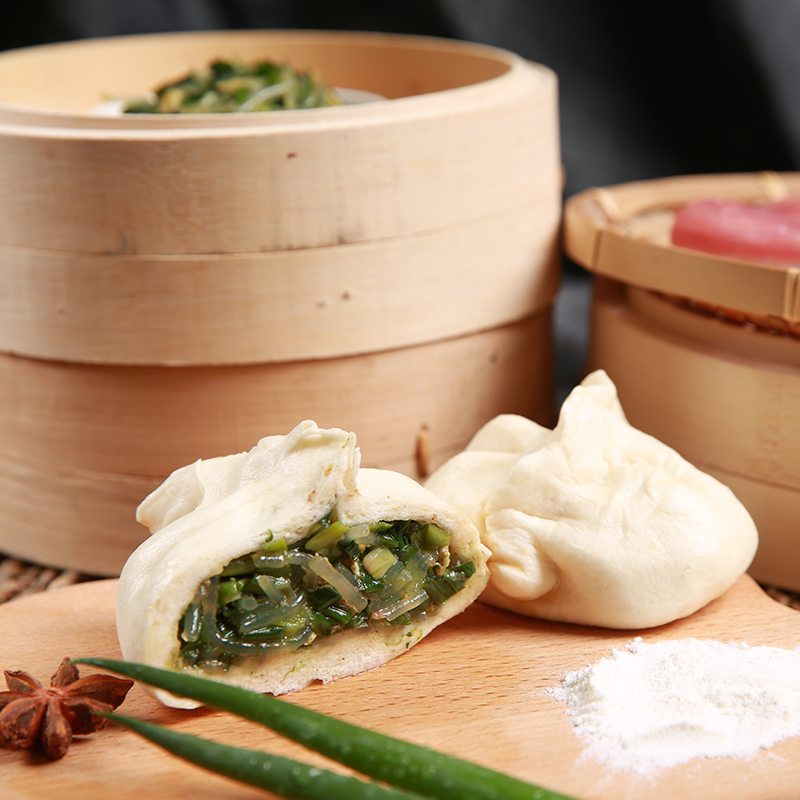
包子加盟有哪些坑,你都知道吗?
加盟包子店需要避开...
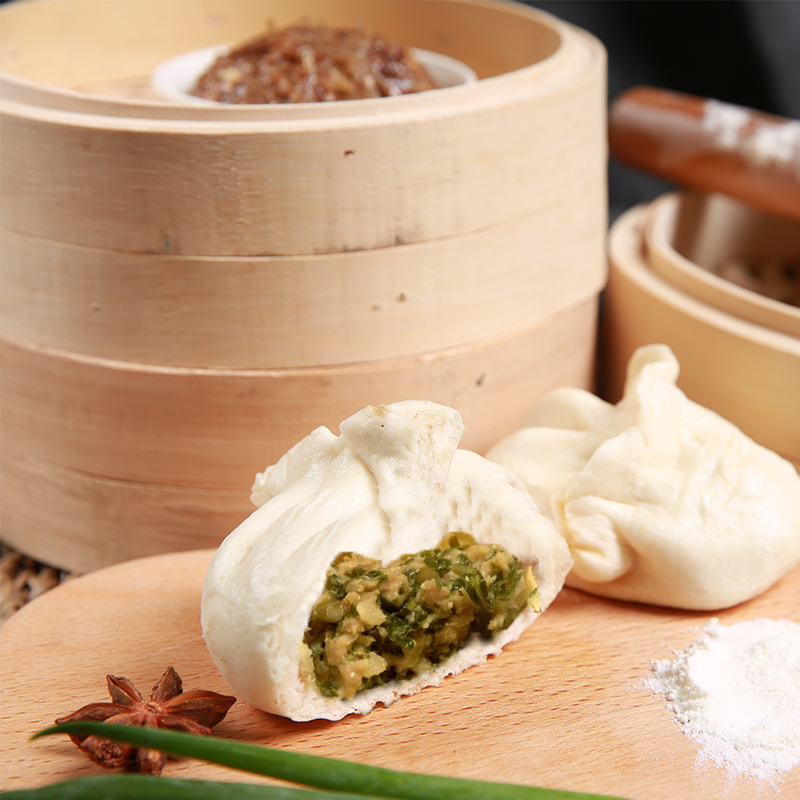
加盟包子店连锁哪几个问题不可忽视
一、项目的可靠度以...

天方包子为什么有这么多加盟商?
一、天方包子的品牌...
包子店面选址不用找老师,看这三点就够了!
1. 包子店选址要...
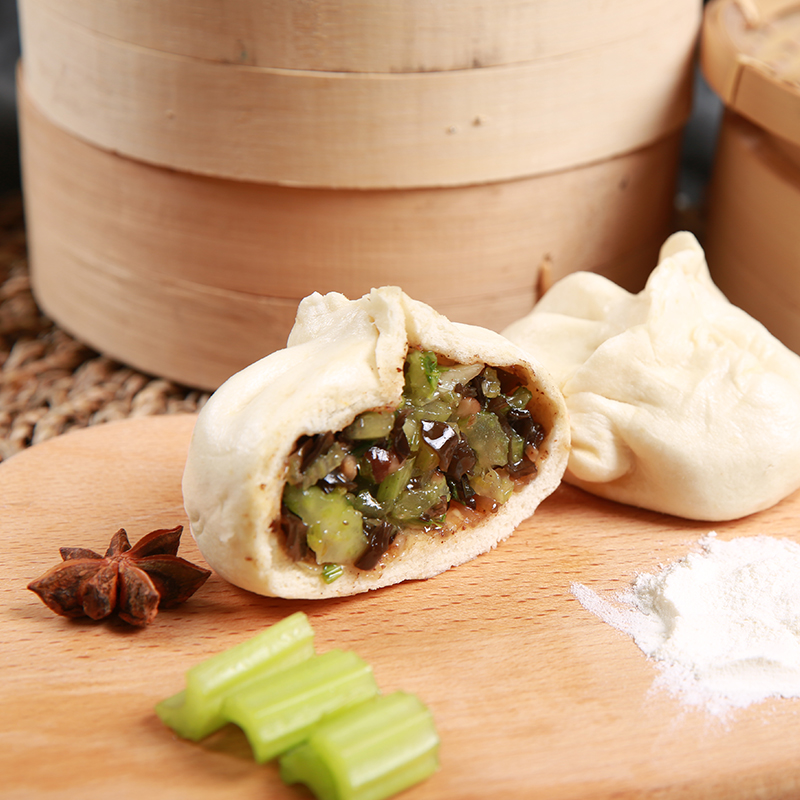
做餐饮加盟创业这些知识要清楚!
对于首次创业,没有...

天方包子加盟:如何加盟包子店铺?
如何加盟包子店...
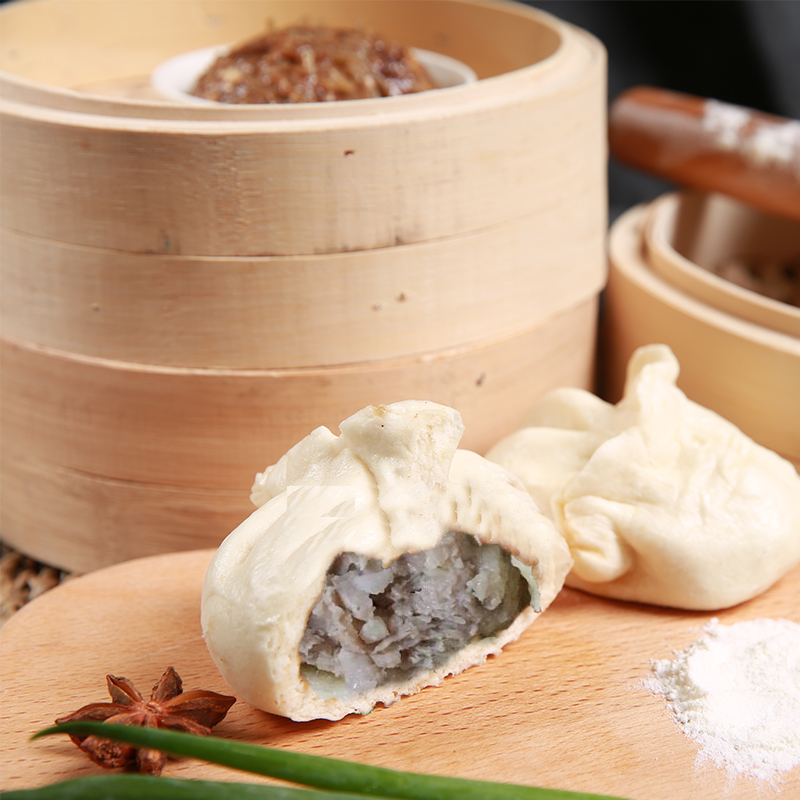
早上吃包子会长胖吗?
早餐确实是有必要要...
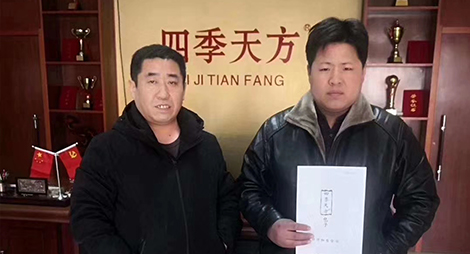
热烈恭喜两位老板同时成功加入四季天方包子
热烈恭喜两位老板同...
加盟热线: 400-0531-803
加盟别踩坑!签字前漏看这7点,维权难到崩溃(附避坑指南)
发布时间:2026-04-25 来源:https://www.jnsjtf.com/ 作者:天方包子 浏览量:0
加盟别踩坑!签字前漏看这7点,维权难到崩溃(附避坑指南)
Don't fall into the trap of joining! Neglecting these 7 points before signing makes it difficult to protect one's rights to the point of collapse (with a guide to avoiding pitfalls attached)
包子品类凭借低门槛、高刚需的优势,成为创业加盟的热门选择,其中作为深耕行业二十年的品牌,全国门店达几百家,备受创业者青睐,但加盟陷阱也随之暗藏。据餐饮加盟行业数据显示,包子类加盟纠纷年增长率达28%,其中85%的纠纷源于合同陷阱——很多加盟的坑,并非藏在暗处,而是被品牌方明明白白写在合同里,不少创业者因签约时过于激动、一目十行,后期出现纠纷时才发现费用难退、维权无门,最终血本无归。今天结合资深律师多年加盟纠纷处理经验,拆解加盟签字前必看的7大避坑要点,帮创业者避开陷阱、稳健创业,贴合加盟实际场景,兼具专业性与实用性。
The baozi category has become a popular choice for entrepreneurial franchising due to its low threshold and high demand. As a brand that has been deeply rooted in the industry for 20 years, it has hundreds of stores nationwide and is highly favored by entrepreneurs. However, there are also hidden pitfalls in franchising. According to data from the catering franchise industry, the annual growth rate of franchise disputes in the baozi category has reached 28%, with 85% of disputes arising from contract traps - many franchise traps are not hidden in the dark, but are clearly written in the contract by the brand. Many entrepreneurs are too excited when signing the contract, and only realize that the fees are difficult to refund and there is no way to protect their rights later on when disputes arise, ultimately resulting in a loss of money. Today, based on years of experience in handling franchise disputes as a senior lawyer, we will break down the 7 key points to avoid before signing a franchise agreement, helping entrepreneurs avoid pitfalls and start a stable business. This approach is tailored to the actual franchise scenario and combines professionalism and practicality.
第一关,合同性质关,避开“偷换概念”陷阱。不少加盟品牌,明明是加盟模式,却让创业者签订“咨询服务协议”“技术转让协议”,而非明确的“特许加盟协议”。其核心目的是规避特许加盟监管,后期维权时,品牌方会以“双方是平等服务关系,非加盟关系”为由拒绝承担责任。签约前务必明确两点:一是合同性质标注“特许加盟协议”,二是费用性质明确为“加盟费”,杜绝品牌方偷换概念,避免陷入维权泥潭。
The first level is the nature of the contract, avoiding the trap of "changing concepts". Many franchise brands, although operating under a franchise model, require entrepreneurs to sign "consulting service agreements" and "technology transfer agreements" instead of explicit "franchise agreements". The core purpose is to avoid franchise supervision. In the later stage of rights protection, the brand will refuse to take responsibility on the grounds that "both parties have an equal service relationship, not a franchise relationship". Before signing the contract, it is important to clarify two points: first, the nature of the contract should be labeled as "franchise agreement", and second, the nature of the fees should be clearly defined as "franchise fees" to prevent brand owners from changing concepts and avoid falling into the quagmire of rights protection.
第二关,合同主体关,杜绝“多主体收割”。部分加盟品牌,会引导创业者先签咨询合同,再签加盟合同,后续的商标授权、技术培训、设备采购,分别以不同公司名义收取费用。据行业调研,这类多主体收费模式,会使创业者维权成本增加60%以上,需分别对接不同主体、走不同法律程序。签约前尽量合并所有合同,理清费用清单,若无法合并,需明确标注“所有合同均服务于加盟项目,相关争议统一处理”。
The second level is the contracting party, to prevent "multi-party harvesting". Some franchise brands will guide entrepreneurs to sign consulting contracts before signing franchise contracts, and subsequently charge fees for trademark authorization, technical training, and equipment procurement in the name of different companies. According to industry research, this type of multi-party fee model will increase the cost of entrepreneurs' rights protection by more than 60%, requiring them to separately connect with different entities and go through different legal procedures. Before signing, try to merge all contracts and clarify the cost list. If it is not possible to merge, it is necessary to clearly indicate that "all contracts serve the franchise project, and related disputes will be handled uniformly".
第三关,费用关,警惕“定金不退”套路。很多加盟品牌,会将加盟意向金写成“定金”,并标注“定金不退”,看似简单一句话,实则断了创业者退路。一旦创业者后续放弃加盟,或品牌方存在违约,定金难以追回。签约前需将“意向金”与“定金”区分清楚,明确约定意向金可退条件,拒绝“定金不退”的霸王条款。
The third level is the cost level, be wary of the trick of "non refundable deposit". Many franchise brands will write the franchise intention deposit as a "deposit" and label it as "non refundable deposit", which may seem like a simple sentence, but actually cuts off the way for entrepreneurs to withdraw. Once the entrepreneur subsequently gives up joining or the brand breaches the contract, the deposit is difficult to recover. Before signing the contract, it is necessary to clearly distinguish between "earnest money" and "deposit", clearly stipulate the conditions for refunding earnest money, and reject the overbearing clause of "non refundable deposit".
第四关,争议解决关,规避“外地管辖”门槛。部分加盟合同会约定“争议由品牌方所在地仲裁或法院管辖”,这会大幅抬高创业者维权成本——路费、时间成本叠加,且仲裁实行一裁终局,一旦裁决难以更改。签约前需协商将争议解决地改为创业者所在地,或合同履行地(加盟店所在地),并明确采用诉讼方式解决,避免因管辖问题被迫放弃维权。
The fourth level is dispute resolution, avoiding the threshold of "jurisdiction from other regions". Some franchise contracts may stipulate that "disputes shall be governed by arbitration or court in the location of the brand", which will significantly increase the cost of protecting the rights of entrepreneurs - the cost of travel and time combined, and the arbitration will be final and difficult to change once the ruling is made. Before signing the contract, it is necessary to negotiate to change the dispute resolution location to the location of the entrepreneur or the location of the contract performance (the location of the franchise store), and clearly adopt litigation to avoid being forced to give up rights protection due to jurisdictional issues.
第五关,合同解释权关,夺回“主动权”。部分加盟合同会约定“合同最终解释权归总部所有”,将双方平等约定变为总部单方说了算,后续品牌方变更扶持政策、调整供货标准,都可凭“总部规定”推脱责任。签约前需修改该条款,明确“关键条款以书面约定为准,任何变更需双方签字确认”,同时细化品牌方的扶持、培训、供货义务,约定违约后果,杜绝品牌方推诿扯皮。
The fifth level is the power of contract interpretation, reclaiming the "initiative". Some franchise contracts will agree that "the final interpretation right of the contract belongs to the headquarters", turning the equal agreement between the two parties into the unilateral the final say of the headquarters. The subsequent changes of support policies and adjustment of supply standards of the brand can be shirked by the "headquarters regulations". Before signing the contract, it is necessary to modify this clause to clarify that "key terms shall be subject to written agreement, and any changes shall be signed and confirmed by both parties". At the same time, the support, training, and supply obligations of the brand shall be refined, and the consequences of breach of contract shall be agreed upon to prevent the brand from shirking responsibility.
第六关,招商承诺关,拒绝“口头画饼”。招商时,部分加盟品牌会承诺“选址扶持、流量保障、3-6个月回本”,但合同中却只写“乙方自负盈亏”,口头承诺无法兑现时,创业者难以维权。签约前需将核心承诺(如选址标准、培训次数、回本周期)形成补充协议,明确交付方式与履行后果,加盖品牌方公章,记住“口头承诺不算数,白纸黑字才靠谱”。
The sixth level, investment commitment level, refuses to "verbally draw cakes". When recruiting, some franchise brands promise "site selection support, traffic guarantee, and 3-6 months return on investment", but the contract only states "Party B is responsible for its own profits and losses". When verbal promises cannot be fulfilled, entrepreneurs find it difficult to protect their rights. Before signing the contract, it is necessary to form a supplementary agreement on the core commitments (such as site selection standards, training frequency, and payback period), clarify the delivery method and performance consequences, affix the brand's official seal, and remember that "verbal promises do not count, only black and white are reliable".
第七关,供应链关,防范“长期收割”。加盟的核心盈利点的是后端供货、物料供应,部分品牌会通过高价供货、强制抽佣、随意涨价等方式长期收割创业者。签约前需明确供货质量标准、验收流程、断供及质量问题的处理方式,约定供货定价标准与涨价规则,同时明确“若品牌方出现断供、质量不达标,创业者有权临时外购物料,保障门店正常经营”,避免利润被逐步压榨。
The seventh hurdle is the supply chain hurdle, preventing 'long-term harvesting'. The core profit points of franchising are backend supply and material supply. Some brands will harvest entrepreneurs for a long time through high price supply, forced commission, and arbitrary price increases. Before signing the contract, it is necessary to clarify the supply quality standards, acceptance procedures, handling methods for supply interruptions and quality issues, agree on supply pricing standards and price increase rules, and also clarify that "if the brand party experiences supply interruptions or quality non-compliance, entrepreneurs have the right to temporarily purchase materials to ensure the normal operation of the store", in order to avoid gradual profit squeezing.
加盟虽有品牌优势与市场基础,但创业者切勿盲目跟风。据统计,做好以上7点避坑措施,可降低80%的加盟纠纷风险。加盟创业的核心,从来不是“品牌名气有多大”,而是“合同约定有多清”。提醒各位意向创业者,签约前务必冷静下来,逐字逐句核对合同条款,避开上述7大陷阱,必要时咨询专业律师,才能实现稳健创业,真正借助的品牌优势,实现盈利目标,避免陷入“交钱容易、维权难”的困境。
Although franchising has brand advantages and market foundation, entrepreneurs should not blindly follow the trend. According to statistics, implementing the above 7 measures to avoid pitfalls can reduce the risk of franchise disputes by 80%. The core of franchise entrepreneurship is never "how famous the brand is", but "how clear the contract agreement is". Remind all potential entrepreneurs to calm down before signing the contract, check the contract terms word for word, avoid the 7 traps mentioned above, and consult professional lawyers if necessary to achieve stable entrepreneurship, truly leverage brand advantages, achieve profit goals, and avoid the dilemma of "easy payment, difficult rights protection".
本文由天方包子加盟友情奉献.更多有关的知识请点击https://www.jnsjtf.com/真诚的态度.为您提供为全面的服务.更多有关的知识我们将会陆续向大家奉献.敬请期待.
This article is contributed by Tianfang Baozi franchise friendship For more related knowledge, please click https://www.jnsjtf.com/ Sincere attitude To provide you with comprehensive services We will gradually contribute more relevant knowledge to everyone Coming soon.
新闻推荐 / NEWS RECOMMENDATIONS

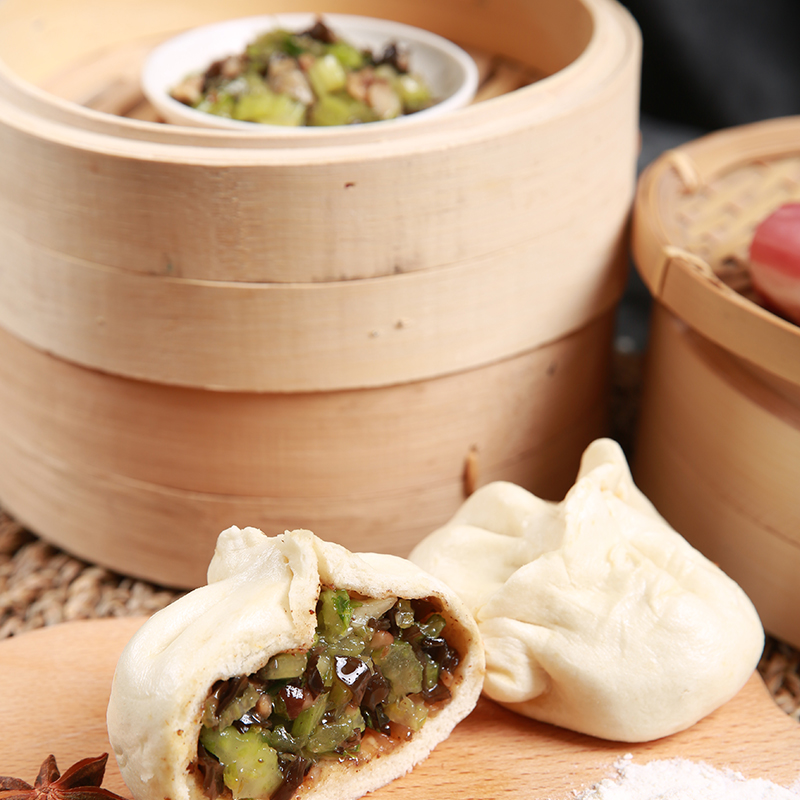







 地址:济南历城区工业北路301号
 电话:400-0531-803
 网址:https://www.jnsjtf.com/