加盟电话400-0531-803
 加盟电话400-0531-803
加盟热线: 400-0531-803
备货算不准才亏
发布时间:2026-11-12 来源:https://www.jnsjtf.com/ 作者:天方包子 浏览量:0
包子店看起来稳,真把账做穿,亏点往往不在口味,在“昨天包多了”。早餐窗口就两三个小时,现包现蒸是优势,也是损耗放大器。
The baozi shop looks stable, but when it comes to accounting, the point of loss often lies not in taste, but in "having too many buns yesterday". The breakfast window is only two or three hours long, and the advantage of having it freshly steamed is also a loss amplifier.
先建立“可售时间”概念。早高峰6:30–9:00贡献大部分流水,9点后需求断崖。备货按“高峰需求×出笼节奏”倒推,不是按“能包多少”倒推。新手常把全天销量平摊到每小时,结果开门堆一蒸笼,10点还剩半笼,馅料过期、面皮发僵。
First, establish the concept of 'saleable time'. During the morning rush hour from 6:30 to 9:00, the majority of the flow is contributed, and after 9 o'clock, the demand drops sharply. Stock up should be calculated based on "peak demand x stocking pace" instead of "how much can be packed". Novices often spread out their daily sales every hour, only to end up with a steaming basket when they open the door. At 10 o'clock, there are still half a basket left, and the filling has expired and the dough is stiff.

备货分三层:
Inventory is divided into three layers:
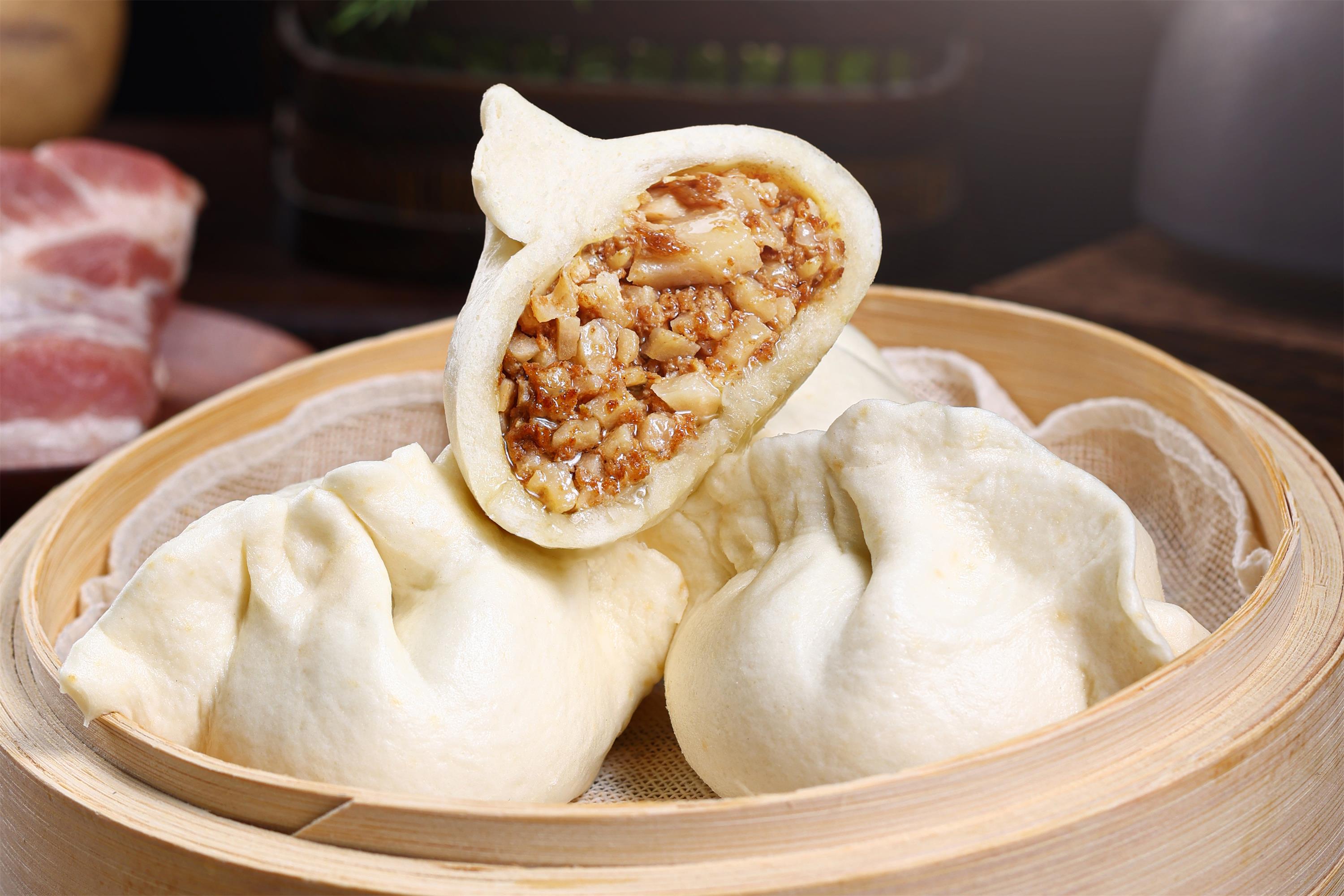
基础盘(70%):鲜肉、酱肉、韭菜鸡蛋这类常青款,按近7天同时段实销均值备;
Base plate (70%): Evergreen products such as fresh meat, pickled meat, chives, and eggs are prepared based on the average sales during the same period in the past 7 days;
弹性盘(20%):本地偏好的时令馅、灌汤类,试销数据起来再加量;
Elastic Plate (20%): Local preference for seasonal fillings and soups, with additional volume added based on trial sales data;
缓冲盘(10%):冻坯或半成品面团,高峰尾段临时补,不提前调馅。
Buffer plate (10%): frozen preformed or semi-finished dough, temporarily replenished at the end of peak period, and filling is not adjusted in advance.
调馅不过夜是铁律。肉馅冷藏不超4小时,素馅更易出水变味,当天做当天清。剩面可以留作明早老面引子,剩馅建议弃,不能回锅再卖——口味和食安会一起崩。
It is an iron rule not to spend the night adjusting the filling. Meat filling should be refrigerated for no more than 4 hours, and vegetarian filling is more prone to water leakage and flavor change. It should be cleaned on the same day. Leftover noodles can be kept as a starter for tomorrow's old noodles, but the leftover filling must be discarded and cannot be resold - the taste and food safety will collapse together.
出餐动线跟着备货走。蒸笼批次按“8分钟一笼”排:6:00开始上第一笼,6:25第二笼,高峰前备好3笼轮换。包制工位别离蒸炉太远,单笼从包好到入锅不超过90秒,不然醒发过度塌皮。
The dining route follows the stocking process. Steaming basket batches are arranged according to the principle of "one basket per 8 minutes": the first basket starts at 6:00, the second basket starts at 6:25, and 3 baskets are prepared for rotation before the peak. The packaging station should not be too far away from the steam oven. The time from packaging to putting a single cage into the pot should not exceed 90 seconds, otherwise it may cause excessive rusting and skin collapse.
用“小票数据”校准,不用“感觉”。连续记14天:每个品类每半小时卖出多少、几点开始剩、剩的非常多的是哪款。两周后你会发现自己原来以为的“招牌”可能根本不是招牌,某款素包反而复购高。
Calibrate with 'small ticket data', without 'feeling'. Record for 14 consecutive days: how many products are sold in each category every half hour, what time is the remaining inventory, and which product has the most remaining inventory. In two weeks, you will find that what you originally thought was a "brand" may not be a brand at all, and a certain plain pack may have been repurchased at a higher price.
损耗率有个参考线:成熟门店包子类损耗控在5%以内,新手期允许8%–10%。超过这个数,先砍备货量再谈引流,不然卖得越多亏得越多。
There is a reference line for the loss rate: the loss of steamed buns in mature stores should be controlled within 5%, and 8% -10% is allowed for beginners. If you exceed this number, first reduce the stock quantity before discussing traffic diversion, otherwise the more you sell, the more you will be grateful.
再算一笔隐形账:一个包子面团+馅成本1.2元,剩50个就是60元;一个月30天,光损耗就1800元,够请半个帮工。控损耗不是抠门,是早餐薄利模型里很关键的一块。
Calculate another hidden account: the cost of one baozi dough and filling is 1.2 yuan, and the remaining 50 are 60 yuan; 30 days a month, the light loss is only 1800 yuan, enough to hire half a helper. Controlling losses is not stingy, it is a crucial part of the breakfast profit model.
包子店的利润,一半在皮馅比例,一半在“知道几点该停手”。备货有数、出笼有节奏、剩货不硬卖,小店才能稳过第一年。
Half of the profit of a baozi shop comes from the ratio of skin to filling, and the other half comes from knowing when to stop. A small shop can only survive its first year if it has sufficient stock, a rhythmic release, and no hard selling of leftover goods.
新闻推荐 / NEWS RECOMMENDATIONS









 地址:济南历城区工业北路301号
 电话:400-0531-803
 网址:https://www.jnsjtf.com/